
About me
Jordanne Mulkewich, M.Sc., RP
Hello and Welcome!
I’m a Registered Psychotherapist who works with teens, young adults, and adults experiencing anxiety, perfectionism, overthinking, and the pressures that can come with school, work, relationships, and major life transitions. I particularly enjoy working with students and young adults who put a lot of pressure on themselves and feel like they should always be doing more, doing better, or keeping up. Sometimes that looks like perfectionism or fear of failure; other times it looks like indecision, overthinking, procrastination, or simply having a hard time switching off.
I also have specialized experience working with OCD and specific phobias, including emetophobia (fear of vomiting). These concerns can become deeply embedded in your everyday life, influencing the choices you make and leading to patterns of avoidance, checking, reassurance-seeking, or spending a lot of time trying to feel certain or in control.
My clinical training is grounded in evidence-based approaches, particularly Cognitive Behavioural Therapy (CBT) and Exposure and Response Prevention (ERP). I value these approaches because they give us practical, well-researched ways of understanding what keeps anxiety and OCD going and how we can begin to change those patterns.
At the same time, something that is really important to me is never losing sight of the person sitting in front of me. CBT and ERP are wonderful tools, but life doesn’t always fit neatly into a treatment model. People have relationships, histories, circumstances, emotions, and experiences that can make things more complicated than they initially appear. I use these approaches as a guide, while staying curious about what is actually happening for you and what will be most helpful.
You might know that you’re anxious or overwhelmed without being quite sure why. Maybe you’ve been stuck in your head, putting a lot of pressure on yourself, avoiding things that feel difficult, or feeling like your mind never really gets a break. Therapy can be a place to slow things down, make sense of what’s happening, and start figuring out what you want to do differently.
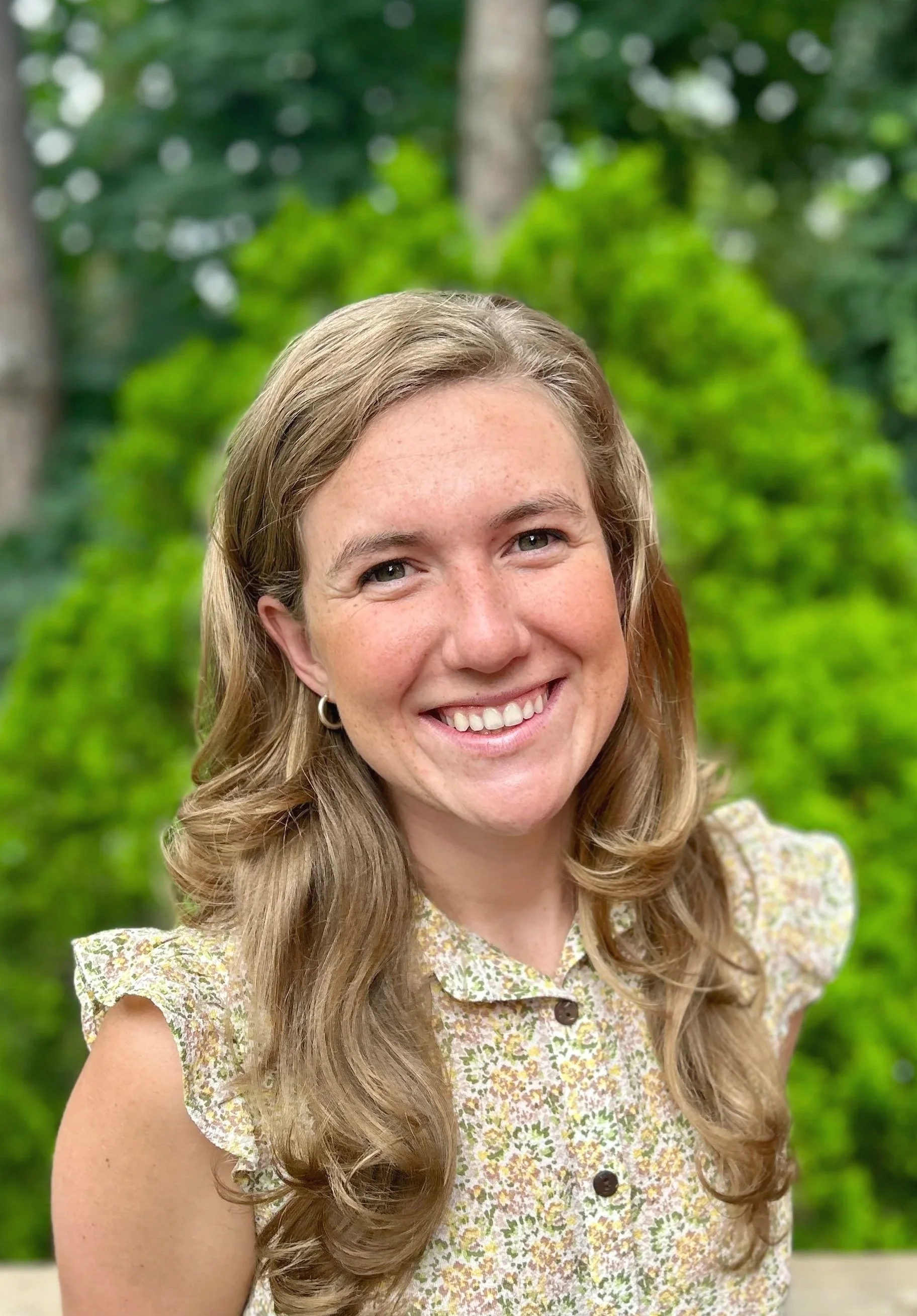
I want therapy to feel like a place where you can be yourself without needing to have everything figured out before you get there. We can talk about the things that feel difficult, confusing, or even a little embarrassing, without judgment. From there, we can work together to understand what’s keeping you stuck and find ways forward that feel meaningful to you.
A little bit more about me:
Outside of therapy, I love being outdoors, exploring new places, and staying active. I spend a lot of my free time hiking, travelling, playing basketball, and working on creative projects. I also really enjoy the slower things—finding a good coffee shop, making pottery, wandering around somewhere new, or spending time with friends and family.
I think having a life outside of work has shaped how I think about therapy, too. Our mental health doesn’t exist in isolation from the rest of our lives, and I value creating space to talk about the things that matter to you beyond a diagnosis or a set of symptoms.
-
McMaster University - Masters of Science in Psychotherapy
-
CBT for OCD - McMaster University
ERP Beyond The Manual - Lotus Counselling
CBT for Health Anxiety - Sick Kids
Emetophobia Consultation Group - International OCD Foundation (IOCDF)
Emetophobia: Assessment & Treatment - OCD Training School
2-Day Perfectionism & Anxiety Certification Training: Effective Tools to Navigate High Standards, Self-Criticism, and Unrealistic Expectations - Dr. Martin Anthony